Following the success of Open Call 1, we are proud to announce the launch of JARVIS Open Call 2, offering new funding opportunities for innovators across Europe.
This second open call introduces two funding tracks:
The call invites startups, SMEs, research organisations, industry actors, and public bodies to contribute to the next generation of Human–Robot Interaction (HRI) technologies. Selected participants will have the opportunity to develop, test, and validate cutting-edge solutions within the JARVIS ecosystem, supporting safer, more flexible, and intelligent industrial environments.
TWO FUNDING TRACKS
TRACK 1: CO-DEVELOPMENT
TRACK 2: EXTERNAL PILTOS
WHY YOU SHOULD APPLY
Selected participants will benefit from expert technical mentoring and guidance; from access to the JARVIS technology ecosystem; from opportunities for real-world testing and validation; and from increased visibility across the European innovation network
!!For more detailed information, please visit the JARVIS Open Call 2 website section. !!
JARVIS together with its sister projects, FORTIS and ARISE , has contributed to the newly published open-access book “Artificial Intelligence, Data and Robotics: Foundations, Transformations and Future Directions”. Developed within the framework of the AI, Data and Robotics Association (ADRA), the publication highlights how innovation remains human-centric and aligned with European values, while also showcasing Europe’s leadership in advanced digital technologies.
Specifically, JARVIS, alongside its sister projects, contributed to the chapter “Advancing Industrial Collaboration: The Next Generation of Human-Robot Interaction.” In this chapter, JARVIS contributes to a broader reflection on the evolution of human–robot collaboration in industrial environments, in synergy with other leading European initiatives. It highlights the ongoing shift toward more human-centric and adaptive systems, where collaboration between workers and robots is increasingly intuitive, safe, and responsive. Within this context, JARVIS showcases its approach based on cognitive mechatronics and artificial intelligence, enabling robots to better interpret human actions and intentions while effectively supporting operators in complex tasks.
The chapter also highlights JARVIS’s work in multimodal interaction and advanced digital technologies. By combining communication inputs such as speech, gestures, and other interaction modalities with digital twin environments, JARVIS enhances real-time understanding and coordination between humans and machines. These developments are presented as part of a broader, collaborative effort across projects to improve usability, flexibility, and efficiency in industrial collaboration.
Importantly, the chapter positions JARVIS alongside the FORTIS and ARISE projects, illustrating how complementary technological approaches converge toward the shared goal of next-generation human–robot collaboration. Together, these contributions underline the importance of interdisciplinary innovation and large-scale validation in real industrial environments, reinforcing Europe’s leadership in developing trustworthy, human-centered manufacturing systems for the future.
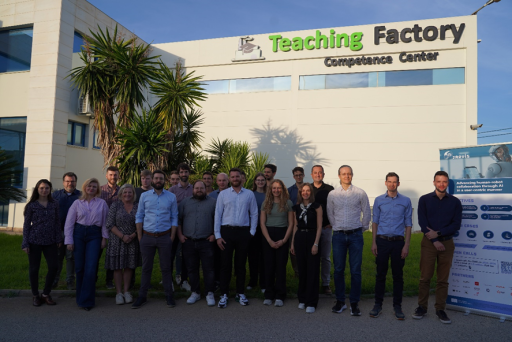
October 2024, Patras, Greece – The third JARVIS General Assembly, hosted at the TF-CC facilities on October 16th and 17th, brought together all 16 project partners for two days of dynamic collaboration, centered on advancing human-robot interaction in a user-centric manner.
The assembly’s agenda featured in-depth technical discussions on the JARVIS use cases. Partners also evaluated the progress of the project’s 15 key modules, all designed to foster seamless human-robot collaboration. These discussions emphasised the importance of strategic dissemination to maximise the visibility and impact of future results and innovations.
A standout moment of the General Assembly was a guided tour of the TF-CC facilities. The project partners had the opportunity to explore groundbreaking technologies and pioneering solutions that are set to redefine human-robot interaction. The dedication and creativity showcased in these developments made a lasting impression, highlighting the project’s commitment to cutting-edge research and practical implementation.
Looking towards the future, we are thrilled to announce the upcoming launch of the first round of open calls. These calls will invite external innovators to contribute fresh ideas and perspectives, further enriching the JARVIS project and expanding its collaborative network.
Stay tuned for more updates as we continue driving innovation and transforming industry practices!
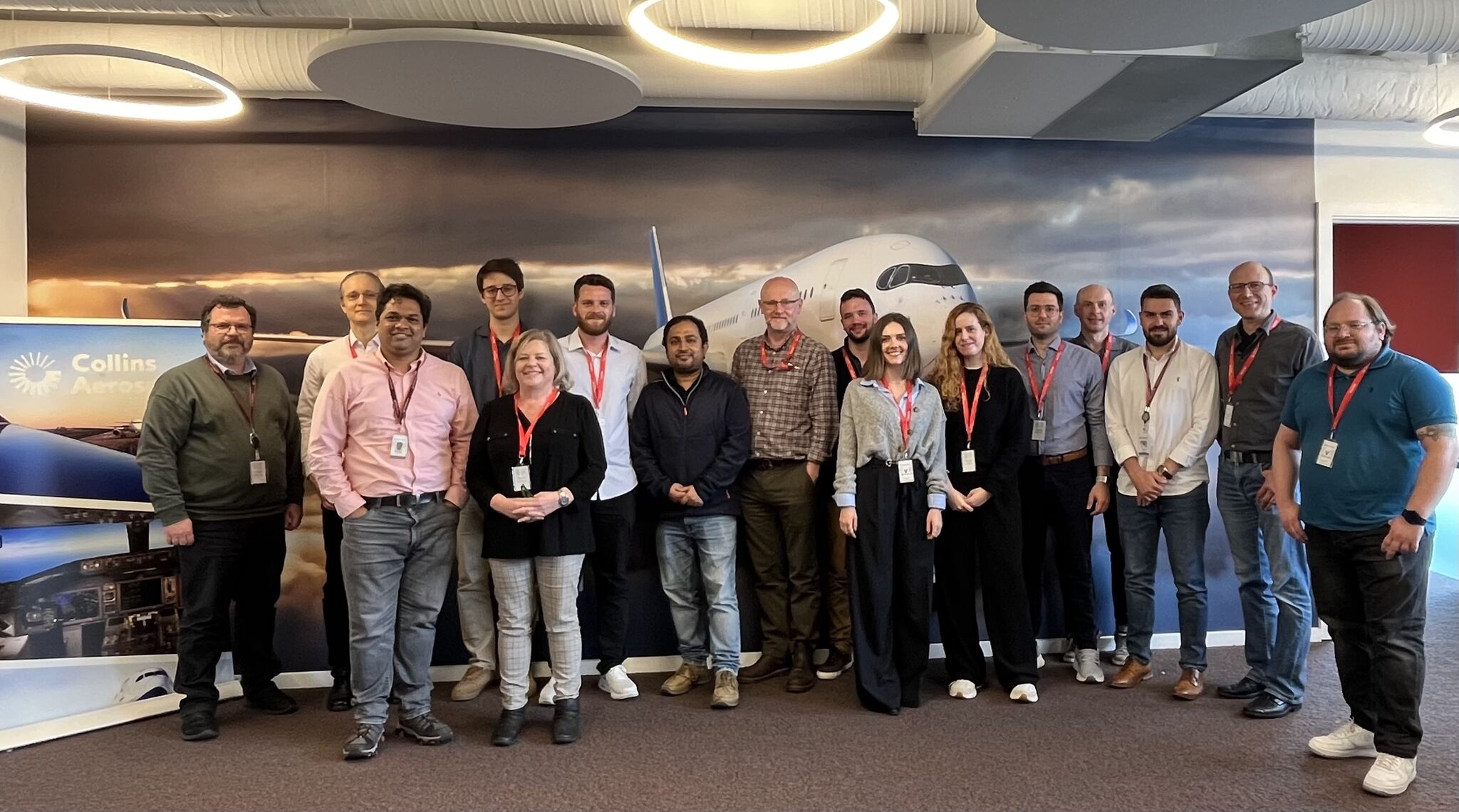
May 2024, Cork, Ireland – JARVIS’s second General Assembly, hosted at COLLINS facilities, brought together 16 dynamic organizations for two action-packed days. The focus? Advancing Human-Robot collaboration.
So far, our partners have made significant strides in identifying key exploitation assets and their technical developers for project’s success and value creation. A major focus of our discussions was the strategy for disseminating project results. Effective communication with stakeholders is crucial for maximizing JARVIS’s impact. Our team is dedicated to ensuring our findings reach the right audiences through targeted dissemination efforts.
JARVIS will be present at several major conferences and trade fairs, providing platforms to engage with industry leaders, share insights, and explore potential partnerships for networking and collaboration. We are also prioritizing the publication of our findings in scientific and industrial journals to establish JARVIS as a thought leader in the field and promote our innovative work to a broader audience.
Looking ahead, we are preparing for the launch of the first round of open calls. These calls will invite external innovators to join our mission, bringing fresh perspectives and new ideas to the JARVIS project.
Stay tuned for more updates as we continue to drive forward with our mission to innovate and transform industry practices.
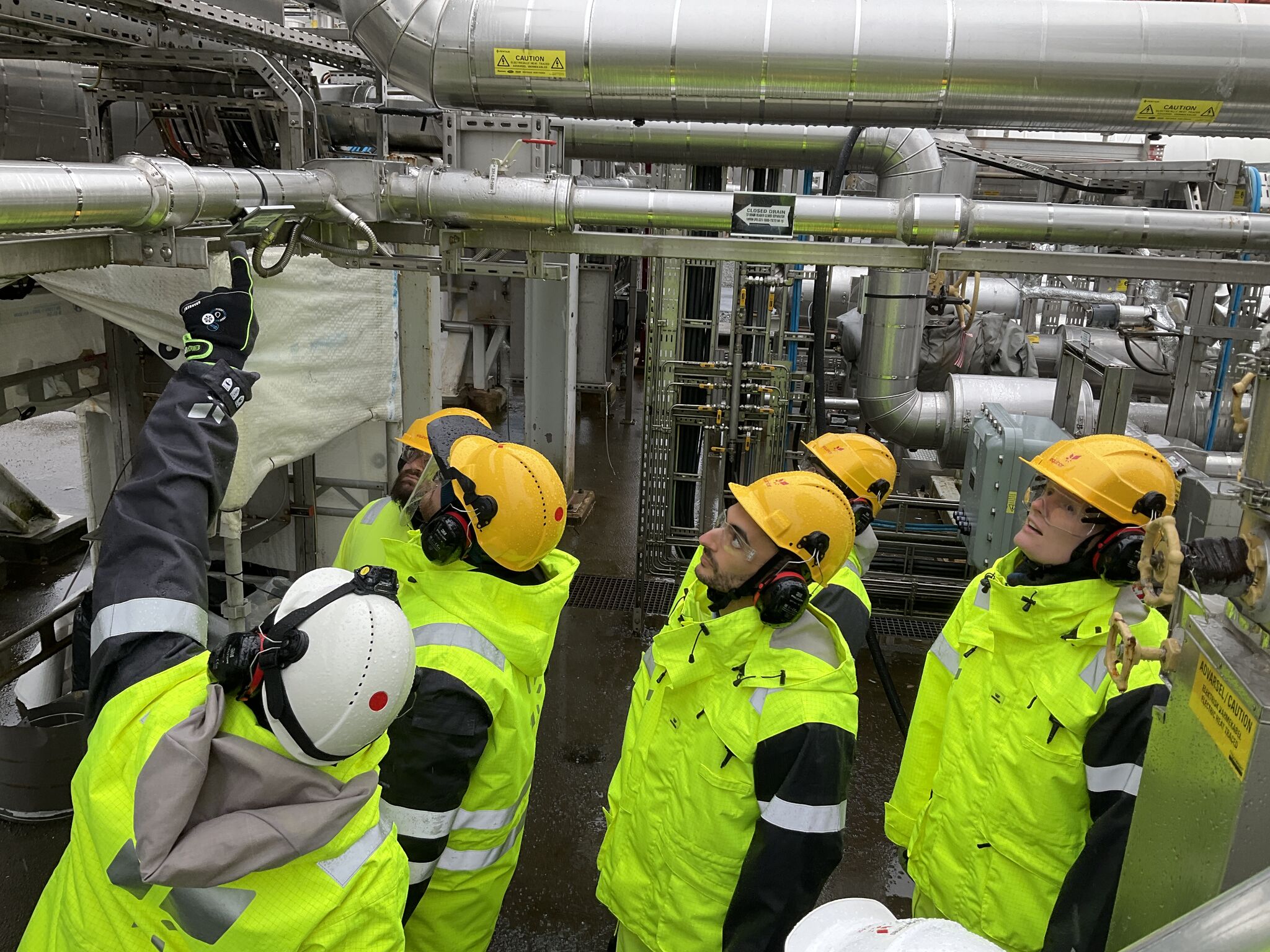
On March 19th, our partners from Laboratory for Manufacturing Systems and Automation, Netcompany-Intrasoft CEA Collins Aerospace and SINTEF convened at Karsto, the industrial test facility K-lab owned by our partner Equinor , located in Norway. This gathering provided an opportunity for an immersive workshop aimed at exploring relevant robotics tasks and future robotic applications at Equinor.
During this engaging workshop, we had the privilege of visiting Equinor’s use-case facilities, where we gained valuable insights into the specific robotics tasks essential for Equinor’s operations. We also had the opportunity to discuss the future needs and potential applications of robotics.
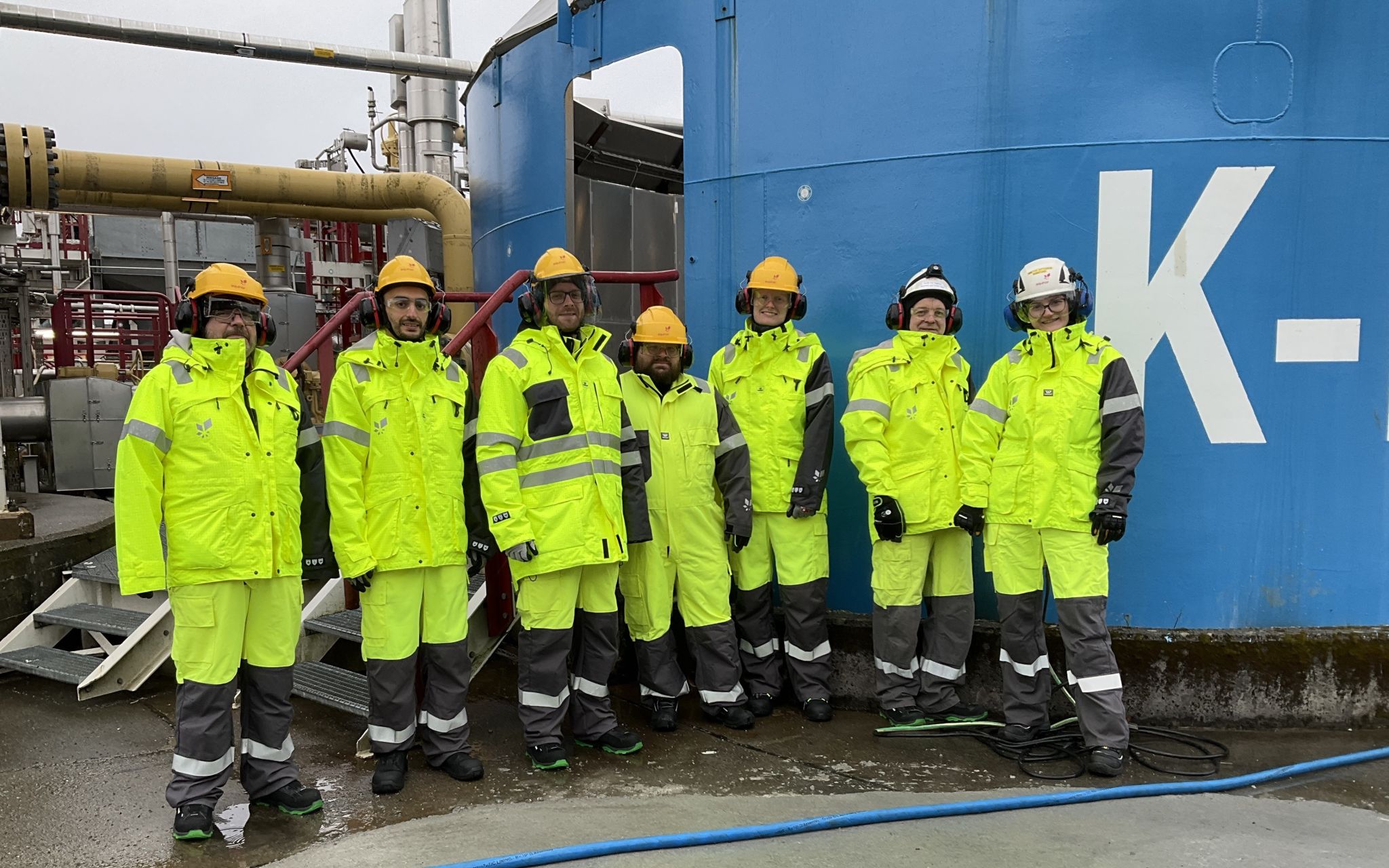
One of the highlights of the visit was our exploration of the safety measures implemented at K-lab, ensuring the well-being of process operators. Additionally, we had the chance to tour control rooms for the gas loops, gaining firsthand experience of the operational environment. The tour at K-lab was enlightening, as it focused on relevant tasks for robots, particularly intervention and manipulation tasks. Furthermore, our visit to Equinor included a fascinating demonstration of robotics in action, showcasing autonomous missions within a 3D model environment.

As we reflect on this exciting workshop and visit, we anticipate more workshops on the horizon. Stay tuned for updates.


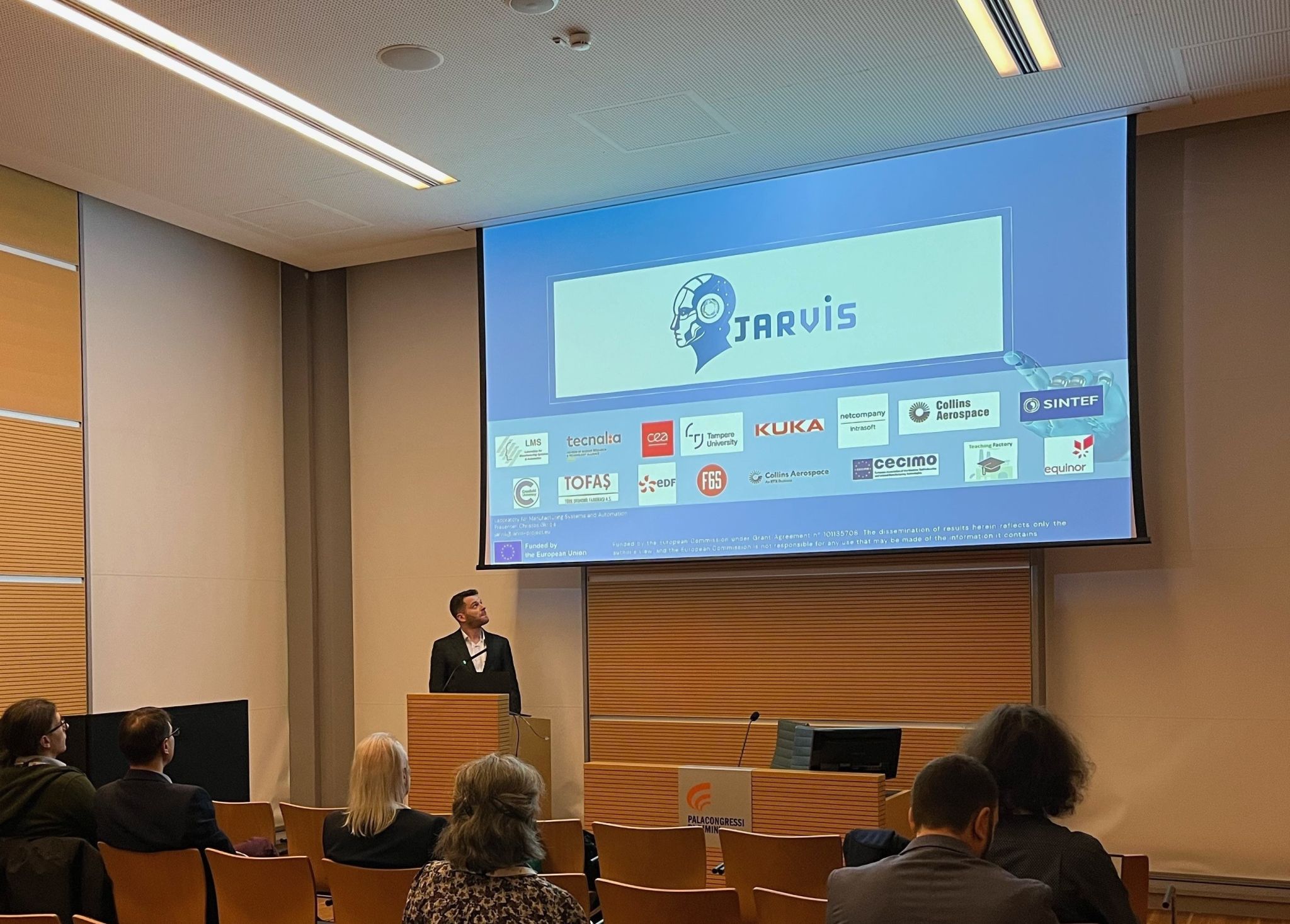
JARVIS made a significant mark at the European Robotics Forum 2024, held in the city of Rimini, Italy, on March 13, 2024. Represented by the project coordinator Laboratory for Manufacturing Systems and Automation, we actively participated in the TRINITY Innovation Network workshop titled “Steps Forward.” This workshop organized by our partner, Tampere University, focused on the future landscape of agile manufacturing.
Bringing together five distinguished EU projects, the TRINITY Innovation Network workshop showcased technological applications vital to the evolution of human-robot collaboration:
During the event, LMS not only showcased our mission to bolster EU industry competitiveness through human-robot collaboration but also engaged in fruitful discussions with these pioneering projects. Together, we explored strategies to enhance agility in manufacturing and empower European manufacturing SMEs.

📩Stay tuned for updates and Subscribe to our Newsletter!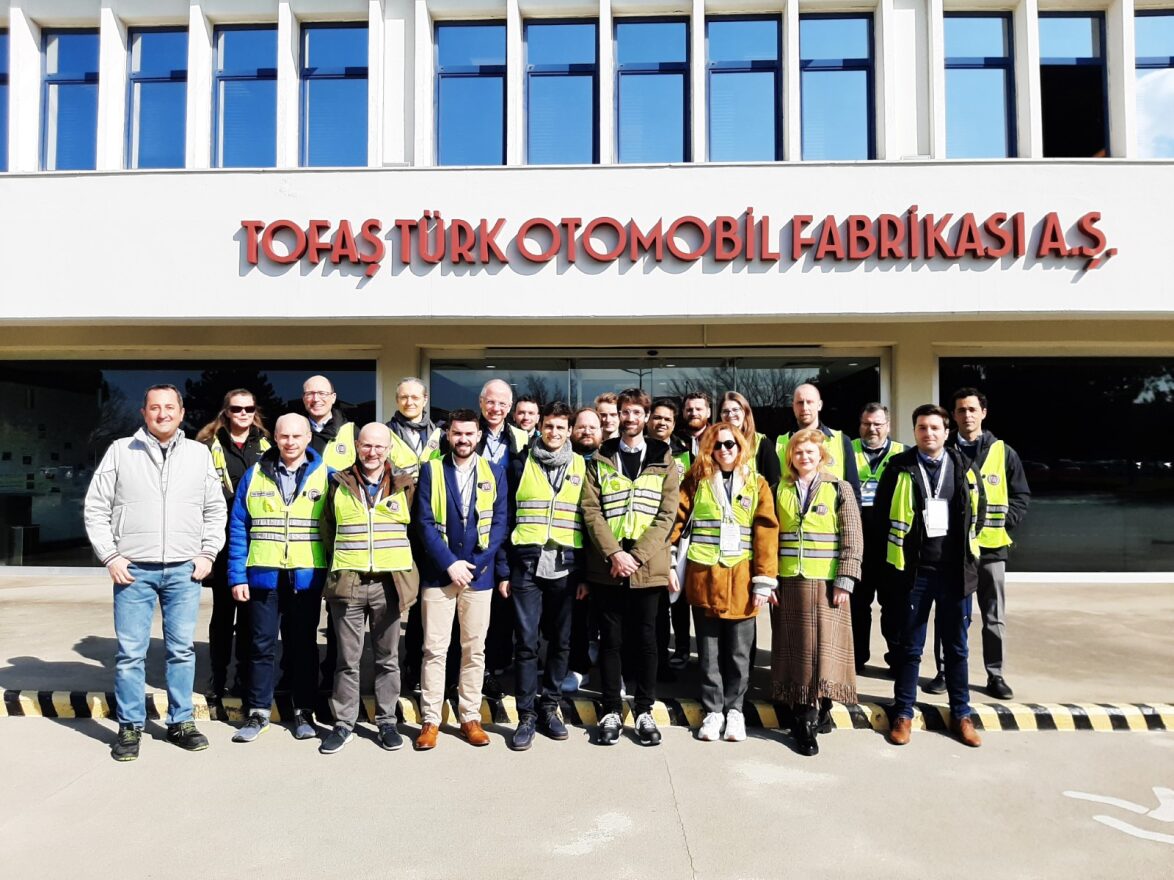
In February 2024, JARVIS hosted its first General Assembly at the TOFAS facilities in Bursa, Türkiye. Over two days, our consortium of 16 organizations convened to set actions on how to pioneer human-robot collaboration through AI in a user-centric manner, as part of a 4-year project funded by Horizon Europe.
The assembly was a dynamic blend of formal discussions and informal exchanges, focusing on short and long-term activities across our four key use cases: Aeronautics, Automotive, Nuclear Energy, and Offshore Energy. The primary objective? To develop cutting-edge human-robot interaction interfaces, enhance social skills for user-centric engagement, demonstrate scalable applications, and develop cognitive and intelligent mechatronics. In addition to strategic planning, partners discussed the communication and dissemination strategy to raise awareness of our mission and objectives as well as the forthcoming open calls, for SMEs and startups.
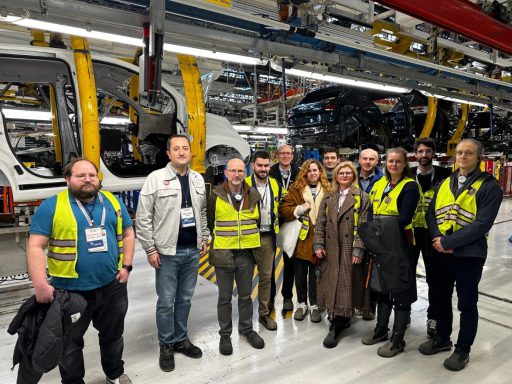
But it wasn’t all business—participants enjoyed an exclusive behind-the-scenes tour of TOFAS’s automotive production facilities, gaining invaluable insights into real-world applications. The assembly concluded with a memorable business dinner in Bursa, a historic city of Ottoman Empire heritage.

What to expect?
JARVIS is preparing for two rounds of Open Calls, with the first to kick off to in early 2025, inviting SMEs and start ups to join JARVIS. Keep an eye on our website for updates and subscribe to our newsletter to stay informed about the latest developments!

This project has received funding from the European Union’s Horizon Europe research and innovation programme under grant agreement nº 101135708. The dissemination of results herein reflects only the author’s view, and the European Commission is not responsible for any use that may be made of the information it contains.

Copyrights © 2026 | Jarvis-project.eu Cookie & Privacy Policy Webdesign & Development by ALYS


